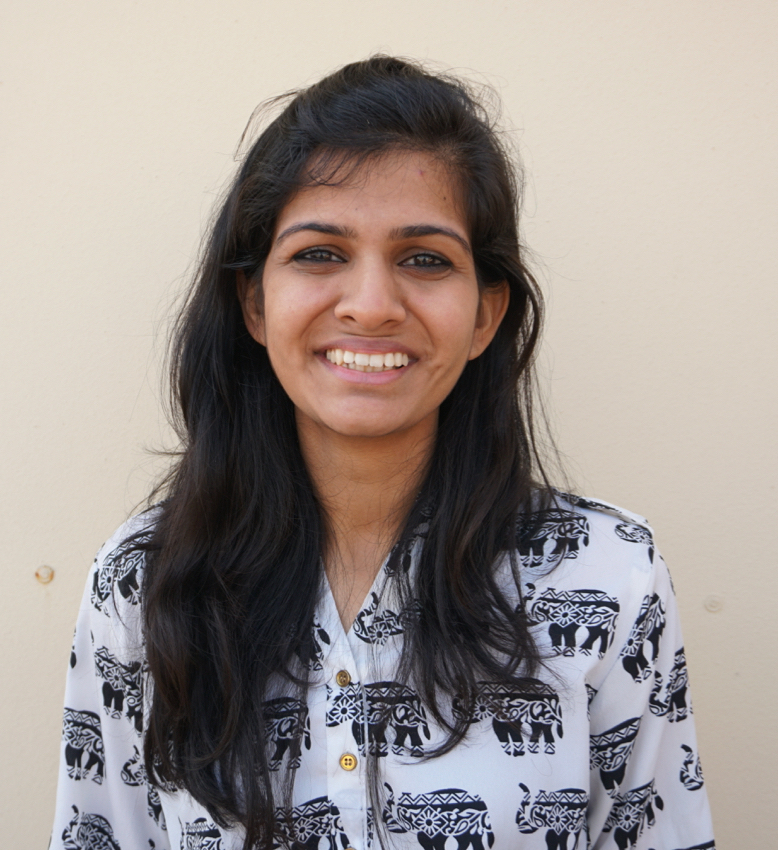
Shreya Chandra
PhD Candidate, Department of Agricultural and Resource Economics, University of California, Berkeley
I am a PhD candidate at the Agricultural and Resource Economics department at University of California, Berkeley. I study topics related to firms and labor markets, digitization and microfinance in developing countries. Previously, I worked as a research assistant at Evidence for Policy Design India, MIT Sloan and Harvard Business School. I completed my Bachelors in Economics (Honors) from Delhi University, India and Masters in Development Economics from the Yale IDE program. I am also a 200 hour certified yoga teacher!
I am on the 2026-27 job market.
Committee: Jeremy Magruder, Aprajit Mahajan, Edward Miguel
Research
Job Market Paper
Irregular Labor Supply and Coordination in Firms: Experimental Evidence from India
Previously circulated as “Flexible Work Arrangements and Firm Outcomes: Experimental Evidence from India”.
Coverage: WB Blog, IGC Policy Brief
Work in Progress
Input Side Constraints to Quality Upgrading among Small Enterprises
(with Xavier Giné and Zixu Chen)
Funding received, pre-piloting stage.
Withdrawal Fees and Digital Financial Engagement in Tanzania
(with Xavier Giné, Francis Annan, and William Blackmon)
Data collection complete, analysis ongoing.
Can Flexible Microcredit Substitute For Informal Finance? Experimental Evidence from Market Vendors in South India
(with Natalia Rigol and Benjamin Roth)
Data collection complete, analysis ongoing.
Policy Writing
Understanding Digital Financial Services Consumers in Tanzania
Tanzania Digital Financial Resilience Initiative, Innovations for Poverty Action.
Safety Nets and the Pandemic: The State of Social Benefit Payments during COVID-19 in Bangladesh
Innovations for Poverty Action.
Teaching
Data and Decisions
Ethics and Responsibility in Business
International Economic Development
Development Economics